"Chasing the Wild: The African Wild Dog's Untamed Spirit"
2024. 6. 9. 01:06ㆍ카테고리 없음
반응형
What is an African wild dog?
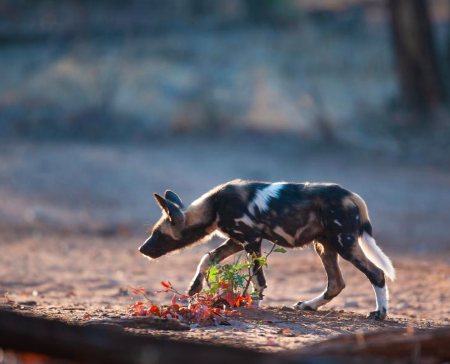
The wild dog — also sometimes called the hunting dog or African painted dog — has a colorful, patchy coat; large bat-like ears; and a bushy tail with a white tip that may serve as a flag to keep the pack in contact while hunting. No two wild dogs are marked exactly the same, making it easy to identify individuals.
CONSERVATION STATUS
ENDANGERED
SCIENTIFIC NAME
LYCAON PICTUS
WEIGHT
18 TO 36 KILOGRAMS (40 TO 79 POUNDS)
SIZE
ABOUT 1 METER IN LENGTH (30 TO 43 INCHES)
LIFE SPAN
10 TO 12 YEARS
HABITAT
DENSE FOREST TO OPEN PLAINS
DIET
CARNIVOROUS
GESTATION
ABOUT 70 DAYS
PREDATORS
HUMANS AND OCCASIONALLY LIONS
Challenges
Human-wildlife conflict endangers African wild dogs.
Throughout Africa, wild dogs have been shot and poisoned by farmers who often blame them when a leopard or hyena kills livestock.
Wild dogs are losing their living spaces.
The principal threat to this species is habitat fragmentation, which increases human-wildlife conflict and localized, small population extinction due to epidemic disease. Larger populations have a higher chance of recovery from such outbreaks. As human populations expand, leading to agriculture, settlements, and roads, wild dogs are losing the spaces in which they were once able to roam freely.
Behaviors
They are quite social and intelligent.
African wild dogs live in packs averaging from seven to 15 members and sometimes up to 40. Before the recent population decline, packs of up to 100 were recorded. Within the pack, these canines have a unique social structure. They cooperate in taking care of the wounded and sick members, there is a general lack of aggression exhibited between members of the pack, and there is little intimidation among the social hierarchy. Every hunting pack has a dominant pair. They are usually the only pair that remains monogamous for life. Wild dogs also have a large range of vocalizations that include a short bark of alarm, a rallying howl, and a bell-like contact call that can be heard over long distances. Elaborate greeting rituals are accompanied by twittering and whining.
The entire pack is involved in the welfare of the pups.
Both males and females babysit the young and provide food for them. The hunting members of the pack return to the den where they regurgitate meat for the nursing female and pups. Although the litters are large, very few pups survive. Sometimes the dens are flooded, or the pups die from exposure or disease. When pack numbers are reduced, hunting is not as efficient, and adults may not bring back sufficient food for the pups. In some cases, more pups survive in packs where there are more helpers.
Diet
African wild dogs have diverse tastes.
They hunt for a wide variety of prey, including gazelles and other antelopes, warthogs, wildebeest calves, rats, and birds. Like most predators, they play an important role in eliminating sick and weak animals, thereby helping maintain the natural balance and improve prey species. They can run long distances at speeds up to 35 mph. Of the large carnivores, wild dogs are probably the most efficient hunters—targeted prey rarely escapes.
반응형